

Kruger National Park: Beyond the Big Five
Introduction to Kruger National Park
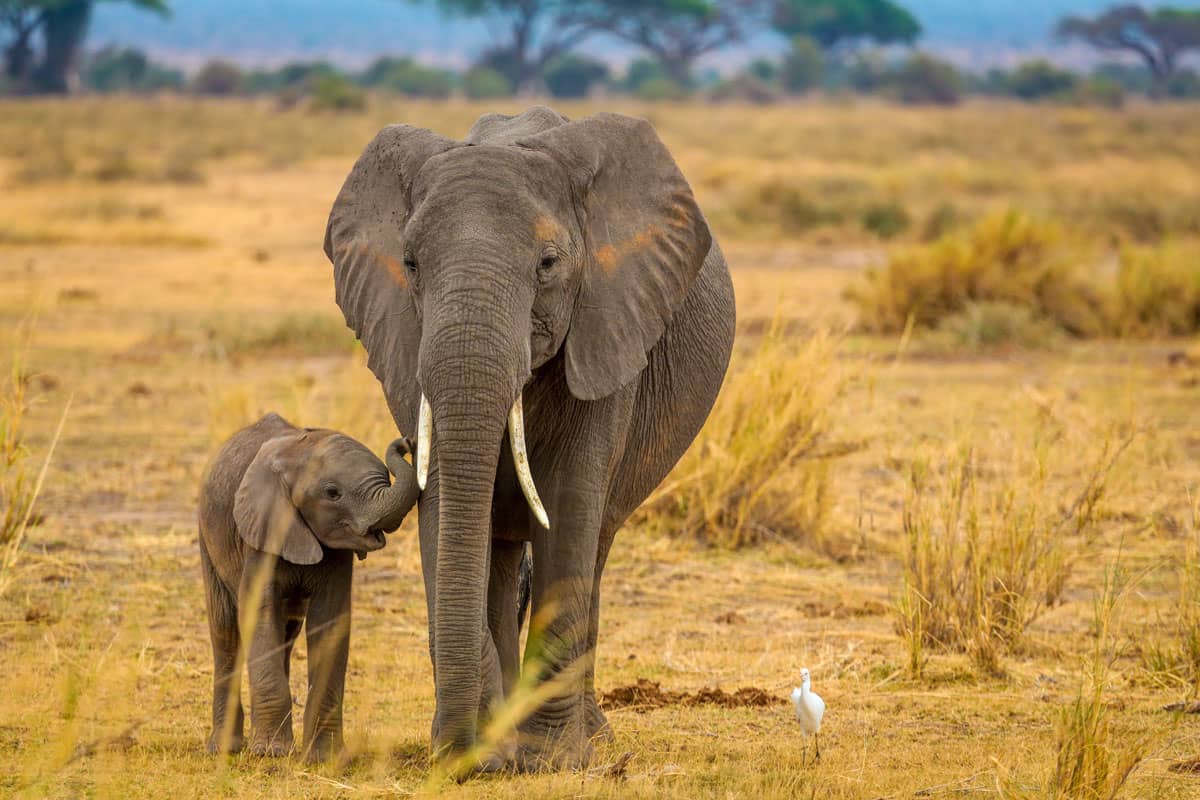
Kruger National Park in South Africa is one of the most famous wildlife destinations in the world. While it’s well-known for its abundance of the Big Five—lions, elephants, buffaloes, leopards, and rhinos—there’s much more to this expansive park than just these iconic species. Kruger offers a diverse range of ecosystems, making it a prime destination for those looking to explore Africa’s wildlife in all its forms.
Diverse Ecosystems and Unique Species
Kruger’s vast size means that it’s home to a variety of habitats, from savannahs and forests to riverine areas and wetlands. This variety supports a wide range of animal species, many of which are not part of the Big Five but are equally fascinating. For example, the park is home to the African wild dog, a rare and endangered predator known for its social structure and cooperative hunting. Visitors might also spot hyenas, cheetahs, and other smaller predators that play a crucial role in the ecosystem.
Birdwatching in Kruger
One of Kruger’s hidden gems is its birdlife. With over 500 bird species, it’s a birdwatcher’s paradise. The park is home to a variety of raptors, such as the African Fish Eagle and the Bateleur Eagle, as well as other stunning species like the Lilac-Breasted Roller and the Southern Ground Hornbill. During the wet season, migratory birds from Europe and Asia flock to Kruger, making it an excellent destination year-round for birdwatching enthusiasts.
Reptiles and Amphibians
Kruger is also a great place to observe reptiles and amphibians. From the Nile crocodiles that bask on the riverbanks to the myriad of snakes that slither through the bush, the park offers unique opportunities to witness these often-overlooked creatures. The park is home to various species of tortoises, geckos, and frogs, and visitors might even spot a rare python or two, making it a perfect destination for herpetologists or anyone interested in these creatures.
Flora and Conservation
Kruger is not just a haven for animals; its diverse flora also plays a key role in the park’s ecosystem. The park’s conservation efforts focus on protecting its rich biodiversity, from the vast Mopane trees to the iconic Baobabs. These trees are not only significant in the park’s landscape but also provide crucial resources for many species of animals.
Summary
While Kruger National Park is undoubtedly known for the Big Five, its true beauty lies in the diversity of life that thrives here. From rare predators like the African wild dog to incredible bird species and fascinating reptiles, Kruger offers an immersive safari experience that goes beyond the basics. It’s a place where every corner of the park reveals something new and exciting, making it a must-visit for wildlife lovers of all kinds.