
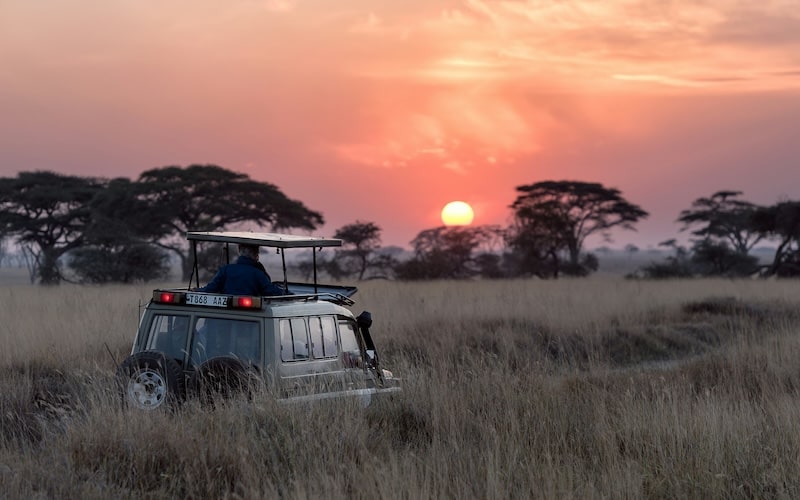

The Ultimate Guide to Planning Your Dream African Safari
An African safari is one of the most thrilling and unforgettable travel experiences. From vast savannas teeming with wildlife to lush wetlands and dense forests, the continent offers an incredible variety of safari destinations. Whether you dream of seeing the Big Five, witnessing the Great Migration, or exploring remote national parks, careful planning will ensure a smooth and rewarding adventure.
Choosing the Right Destination
Africa boasts numerous world-class safari locations, each offering a unique experience. The Serengeti in Tanzania and Masai Mara in Kenya are famous for the Great Migration, while Kruger National Park in South Africa provides excellent year-round game viewing. For a more off-the-beaten-path adventure, Botswana’s Okavango Delta and Namibia’s Etosha National Park offer incredible wildlife sightings with fewer crowds. Your choice will depend on the type of experience you’re looking for—luxury lodges, mobile tented camps, or self-drive safaris.
Best Time to Go
The best time for a safari varies by region and the type of wildlife experience you seek. The dry season, from June to October, is generally the best for game viewing, as animals congregate around water sources and the sparse vegetation makes spotting them easier. If you prefer fewer tourists and lush landscapes, the wet season (November to May) offers excellent birdwatching and dramatic scenery. Certain events, like the Great Migration river crossings, peak in July and August, while calving season occurs in January and February, attracting predators.
Essential Safari Packing List
Packing wisely can make a significant difference in your comfort and overall experience. Lightweight, neutral-colored clothing is ideal for blending into the environment, and layers help adjust to changing temperatures. Sturdy walking shoes, a wide-brimmed hat, and sunglasses are must-haves. A good pair of binoculars and a high-quality camera with extra memory cards will enhance your wildlife viewing. Don’t forget essentials like insect repellent, sunscreen, and any necessary medications.
Safari Wildlife Encounters
Africa is home to an astonishing diversity of wildlife, from the legendary Big Five—lions, elephants, buffaloes, leopards, and rhinos—to cheetahs, giraffes, zebras, and countless antelope species. Predators are often active during early mornings and late afternoons, while elephants and hippos are frequently found near rivers. Nocturnal safaris offer the chance to spot elusive creatures like leopards and hyenas. Each park has its specialties, so research your chosen destination to know what to expect.
Responsible Safari Travel
Sustainable tourism helps protect Africa’s incredible ecosystems and supports local communities. Choose lodges and tour operators that prioritize conservation efforts and ethical wildlife practices. Avoid activities that involve direct animal interaction, and respect park rules to minimize human impact. Supporting local businesses, such as community-run lodges or crafts, ensures that tourism benefits the people who call these regions home.
Summary
A safari is a bucket-list adventure that requires thoughtful planning to maximize the experience. By choosing the right destination, traveling at the best time, packing appropriately, and respecting wildlife, you’ll create unforgettable memories while contributing to conservation efforts. Whether you’re after thrilling predator encounters or serene moments in nature, Africa’s diverse landscapes offer a safari experience like no other.